An account differs from a one-off rental in how the paperwork and pricing are handled: one set of terms covers every drop on every site, so a general contractor running three projects in Washington Heights, Harambee,…
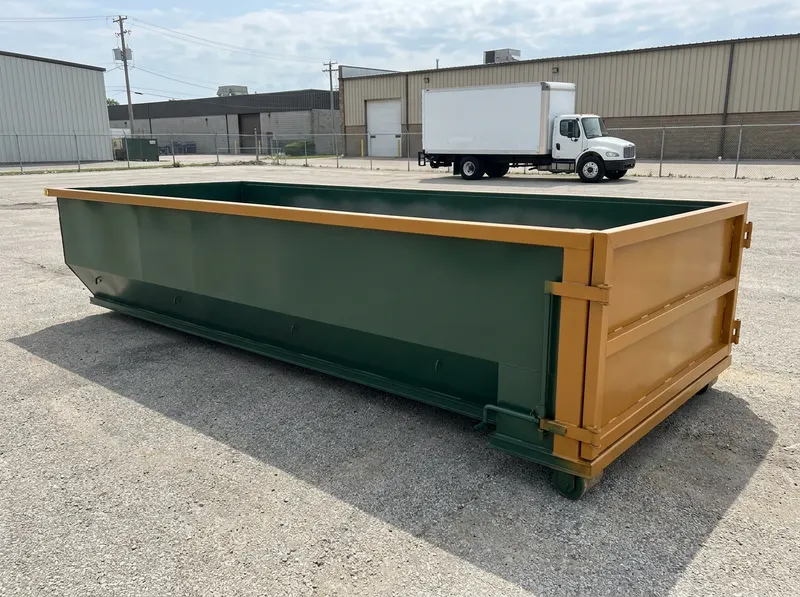
An account differs from a one-off rental in how the paperwork and pricing are handled: one set of terms covers every drop on every site, so a general contractor running three projects in Washington Heights, Harambee, and Lincoln Village does not re-quote each time. Each haul still carries the same flat, all-in rate, the price quoted is the price billed, with disposal already inside the number. That matters on construction and demolition debris, where weight is unpredictable; roofing shingles and concrete run heavy, and a tonnage-based bill can double mid-project. The U.S. EPA tracks construction and demolition materials as one of the largest U.S. waste streams, and Milwaukee job sites generate a steady share of it.
Sizing follows the work. Step 1: a single-trade job, a bathroom gut in Bay View or a flooring tear-out, fits a 10-yard ($595), which holds roughly four pickup-truck loads. Step 2: a kitchen remodel or a two-room renovation suits a 15-yard ($650) or 20-yard ($695). Step 3: a full roof tear-off or whole-home demo calls for a 30-yard ($795) or 40-yard ($895), the latter holding about sixteen pickup loads. Step 4: when a container fills before the job ends, a swap-out drops an empty and hauls the full one on the same visit. Step 5: at project close, final pickup is scheduled by phone. If-then: a roofer stripping asphalt shingles should stay with a 10-yard or 15-yard, shingle weight means a bigger box can exceed the legal road limit before it looks full; a remodeler hauling bulky but light debris benefits from the 30-yard or 40-yard. Roofing asphalt is recyclable in many Wisconsin markets, and the Wisconsin DNR recycling program lists accepted materials and landfill-ban items that cannot enter a roll-off.
Placement is the other job-site variable. A 20-yard needs roughly 22 feet of clear run plus overhead clearance for the door; tight lots in Brewers Hill and Riverwest often require street placement, which the Milwaukee Department of Public Works permits through its right-of-way rules. On private driveways no permit applies. Plywood under the wheels protects fresh asphalt, a step OSHA construction guidance pairs with keeping walkways clear and loads below the container rim so nothing shifts in transit. A dumpster account is not junk removal, the crew places and hauls the container, and the job-site team loads it, which keeps the flat price flat.
Certain materials stay out of every roll-off regardless of account status: wet paint, tires, appliances with refrigerant, and anything the EPA classifies as household hazardous waste. Solvents, adhesives, and sealers common on remodels count as hazardous, and Earth911's disposal directory maps where those go instead. Clean fill like concrete and brick is accepted but may need its own box to stay inside weight limits; the Wisconsin Construction standards" referenced in local code and county landfill rules decide what mixed loads are allowed. Property managers handling tenant turnovers in Enderis Park or Sherman Park use accounts for scheduled cleanouts, and estate-clearing firms book recurring 20-yard drops the same way. For load-weight basics the Federal Highway Administration axle-weight limits explain why a heavy box leaves partly empty, and general waste-handling practice follows National Waste & Recycling Association" industry guidance.
Every job gets a firm, written price after an on-site visit.
Tell us about your contractor & commercial accounts job in Milwaukee and we'll send a clear, written quote, usually the same day.
 Lumberjack Dumpster Rental